
TFT vs TFT LCD: Insights for Manufacturers on Display Technology
In the rapidly evolving world of display technology, manufacturers must carefully evaluate TFT vs TFT LCD options to ensure optimal performance and cost-efficiency. Understanding the distinctions between these two technologies is essential for making informed decisions in product development. At Changchun Fangguan Electronics Technology Co., Ltd., we specialize in delivering expert insights and tailored solutions to help businesses select the best display technology for their needs.
What is TFT Technology?
Understanding TFT Basics
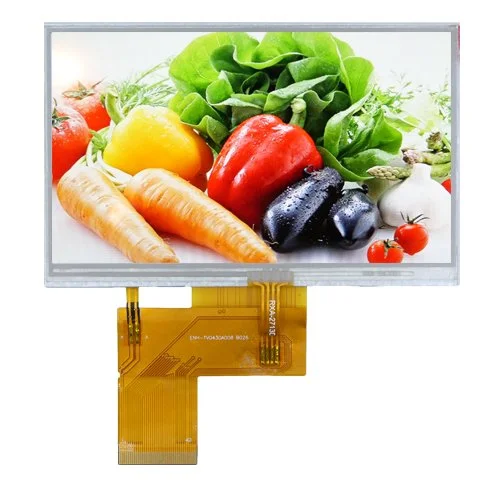
Thin-Film Transistor (TFT) technology is an active-matrix LCD variant that enhances image quality through advanced transistor control. TFT displays are known for their high resolution, fast response times, and energy efficiency, making them ideal for various applications.
Applications of TFT Technology
TFT in Consumer Electronics
TFT displays dominate smartphones, tablets, and digital cameras due to their sharp visuals and vibrant colors. Their fast refresh rates also make them suitable for gaming and multimedia devices.
TFT in Industrial Displays
Industrial applications, including medical monitors, automotive dashboards, and instrumentation panels, rely on TFT technology for its durability and clarity under demanding conditions.
What is TFT LCD Technology?
Understanding TFT LCD Basics
TFT LCD (Thin-Film Transistor Liquid Crystal Display) integrates TFT transistors with liquid crystal layers to achieve superior color accuracy and contrast. This combination allows for precise pixel control, enhancing overall display performance.
Applications of TFT LCD Technology
TFT LCD in Consumer Electronics
TFT LCDs are widely used in TVs, computer monitors, and gaming consoles due to their excellent color reproduction and wide viewing angles.
TFT LCD in Industrial Displays
Industrial sectors, such as medical imaging, aviation, and public information systems, benefit from TFT LCDs for their reliability and high-quality visuals.
Key Differences Between TFT and TFT LCD
Performance Comparison: TFT vs TFT LCD
Response Time: TFT is faster, ideal for gaming.
Color Accuracy: TFT LCD excels in color depth and vibrancy.
Power Efficiency: TFT consumes less power, beneficial for portable devices.
Benefits of TFT Technology
✔ High Resolution & Clarity – Ideal for detailed visuals.
✔ Energy Efficient – Extends battery life in portable devices.
✔ Fast Response Times – Minimizes motion blur in dynamic content.
Benefits of TFT LCD Technology
✔ Superior Color Reproduction – Perfect for graphic design and media.
✔ Wide Viewing Angles – Ensures consistent visibility from different angles.
✔ Versatile Applications – Used in both consumer and industrial sectors.
Choosing Between TFT and TFT LCD for Manufacturing
When deciding between TFT vs TFT LCD, consider:
Application Needs – Does your product require speed (TFT) or color accuracy (TFT LCD)?
Budget Constraints – TFT is more cost-effective, while TFT LCD offers premium performance.
Future-Proofing – TFT LCD may provide a competitive edge as display standards rise.
Conclusion
The choice between TFT and TFT LCD depends on specific product requirements, budget, and performance expectations. By evaluating factors like image quality, response time, and cost, manufacturers can select the optimal display solution.
At Changchun Fangguan Electronics Technology Co., Ltd., we offer a comprehensive range of TFT and TFT LCD solutions, ensuring you find the perfect fit for your project. Contact us today for expert guidance and customized display solutions.