
How LCD LCD Displays Are Revolutionizing Digital Signage
Introduction
Digital signage no longer relies on static posters. Thanks to the LCD LCD display, brands now deploy vivid, data-driven content that turns heads and drives action within seconds. Whether you spot it in a flagship store, a hotel lobby, or a corporate atrium, the LCD LCD display delivers razor-sharp visuals while keeping power bills in check.
The Evolution of Digital Signage
1. Text-Only Beginnings
Early electronic signs could barely handle scrolling text. Maintenance was high, audience impact was low.
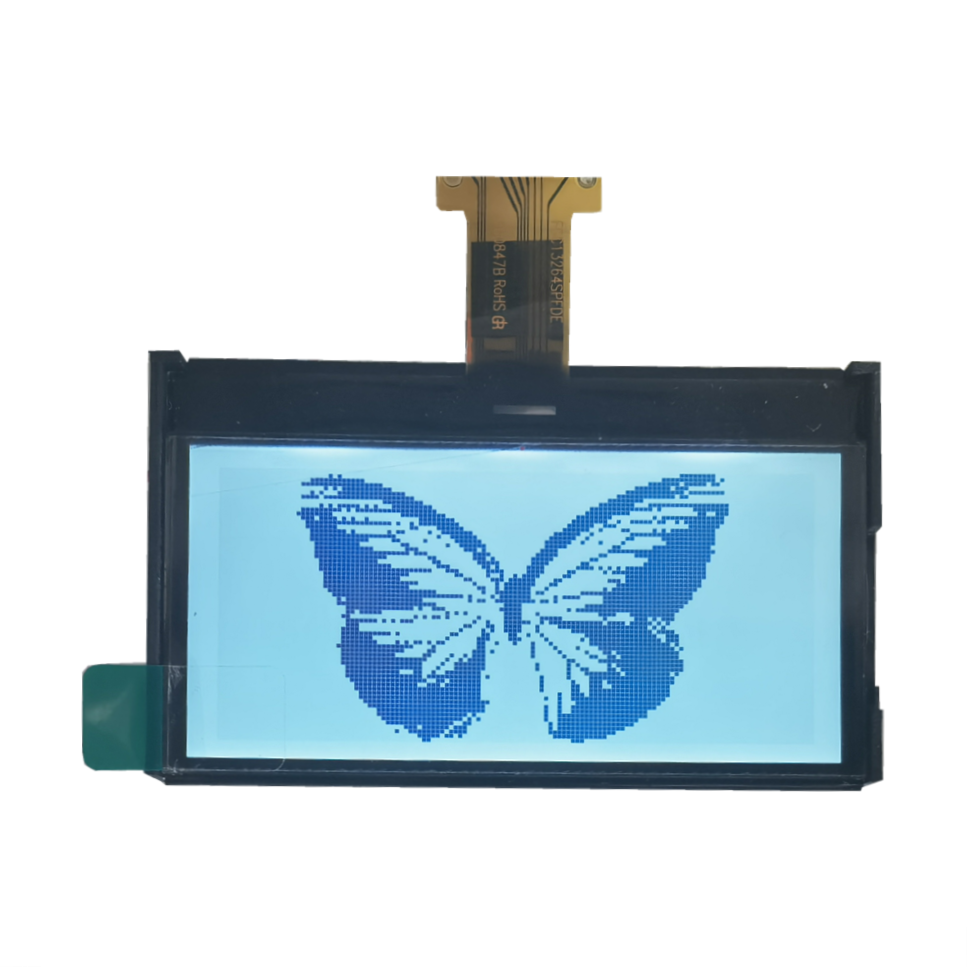
2. The LCD Breakthrough
The arrival of Liquid Crystal Display panels offered:
Higher pixel density for lifelike imagery
Reduced energy draw, especially in large-format screens
Longer operating life with minimal burn-in
As production costs fell, the LCD LCD display became the de-facto standard for dynamic signage worldwide.
What Exactly Is an LCD LCD Display?
An LCD LCD display layers two precision-engineered LCD matrices with an LED backlight. The double-layer design fine-tunes light modulation, boosting contrast and color depth without compromising efficiency. In plain language, more detail appears in both bright storefront windows and dim conference rooms.
Key Advantages of LCD LCD Displays
Where LCD LCD Displays Excel
Retail Engagement
Interactive look-books: Customers swipe through styles on a portrait-mode LCD LCD display.
Contextual promos: Price and stock data update in real time via POS integration.
Hospitality & Leisure
Wayfinding kiosks: Guests tap an LCD LCD display to map the fastest route to their room or the pool.
Digital menu boards: Chefs swap breakfast and dinner menus in seconds—no reprinting.
Corporate Communication
All-hands broadcasts: A single click pushes town-hall streams to every LCD LCD display in the building.
Live dashboards: Teams track KPIs, sales numbers, or server uptime on wall-mounted panels.
Customisation: From Concept to Installation
Changchun Fangguan Electronics Technology Co., Ltd. collaborates with integrators to tailor each LCD LCD display—choosing brightness, touch overlays, or weather-sealed housings. Custom firmware even syncs the screen’s refresh cycle with a venue’s ambient lighting for flicker-free visuals.
Looking Ahead: Future Trends
8K Micro-gap Panels – pushing pixel density beyond the human eye’s limit.
AI + IoT Integration – an LCD LCD display that recognises foot traffic patterns and adapts content automatically.
Solar-assisted Power – onboard photovoltaic strips offset daytime energy use, driving net-zero signage networks.
Conclusion
From boutique storefronts to global headquarters, the LCD LCD display is the silent workhorse behind today’s most compelling visual experiences. Its blend of clarity, efficiency, and adaptability ensures that—as digital signage evolves—LCD LCD displays remain the screen of choice for brands that refuse to compromise on impact.